5 Signs of Screen Fatigue and How to Beat It
That gritty, dry feeling? The slight headache behind the eyes? Your body is giving you the first and most obvious signal. We all know we blink less when staring at pixels. But knowing it and feeling it are two different things. It's not just "tired eyes"—it's your body's protest against a non-stop visual assault. This is the foundational brick of remote burnout.
The Brain Fog That Won't Lift
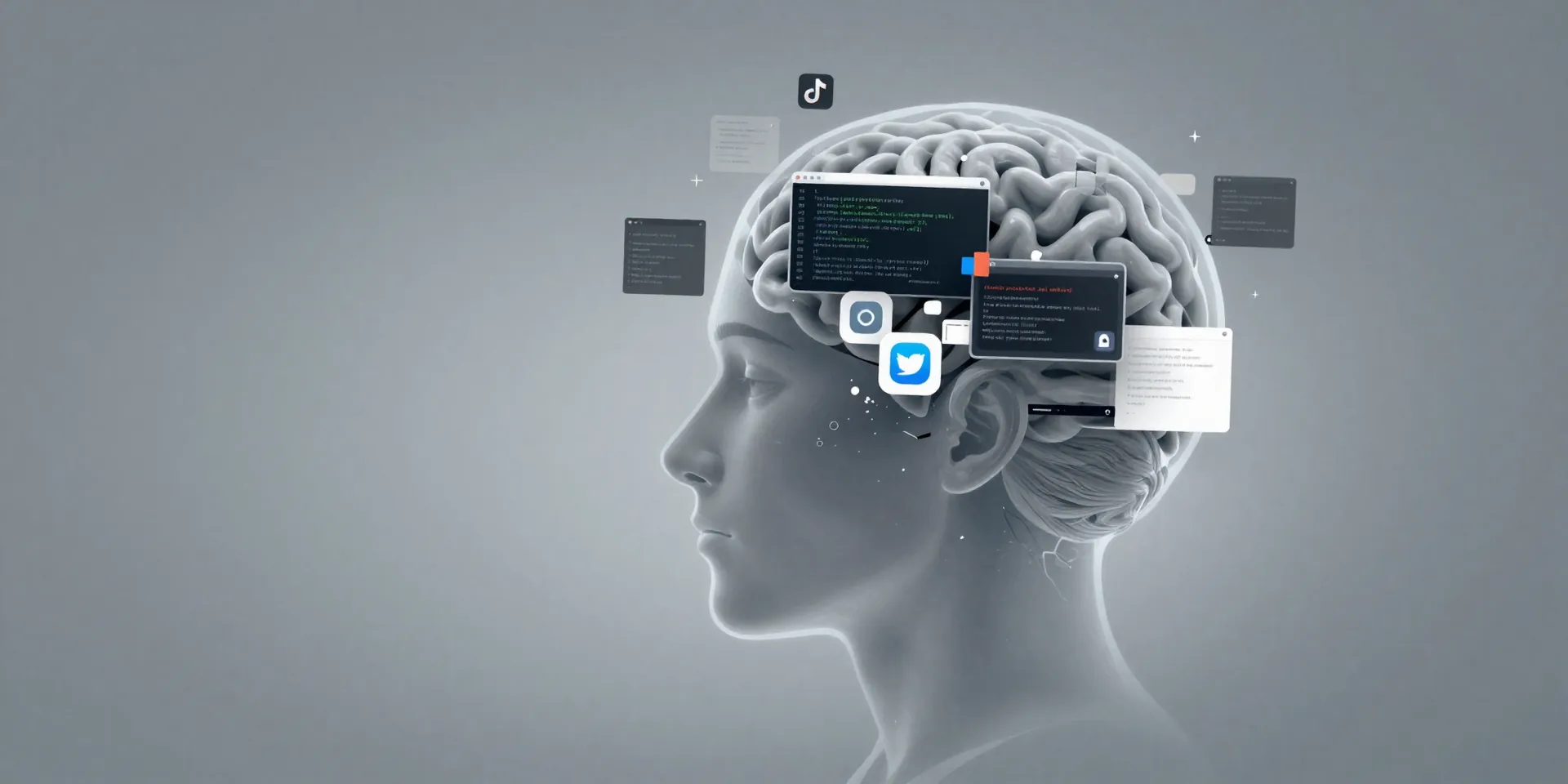
You read a sentence three times and it just doesn't stick. You open a tab, immediately forget why. This isn't a lack of sleep or intelligence. It's cognitive overload from a relentless stream of notifications, tabs, and context-switching. Your working memory is full. The "processing power" is maxed out. Screen fatigue isn't just physical.
From Annoyance to Ache: The Headache Shift
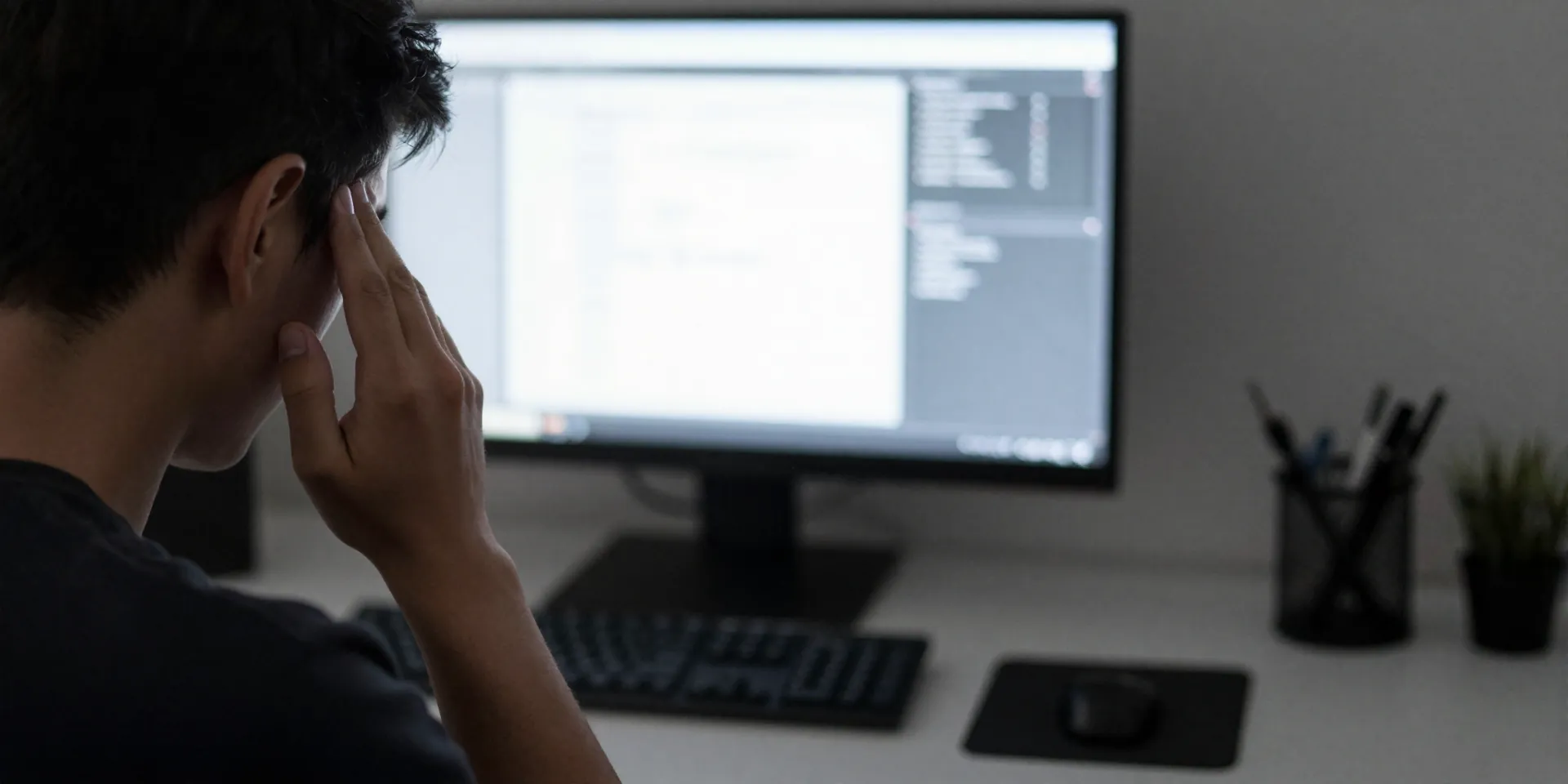
A twinge at 10 AM becomes a dull throb by 3 PM. You might blame the coffee, the posture, the weather. But track it. I bet it starts when the Slack pings pick up and your focus deepens. That's tension, often from squinting, from poor ergonomics, from the stress of multitasking on a 2D plane. It's a sign your setup—both physical and digital—is fighting against you.
You're "Too Busy" for the 2-Minute Fix
Here's the real killer habit. The "I'll just finish this" mentality that has you glued for four hours straight. Skipping the micro-breaks is like running a motor without oil. You're burning through mental fuel with no cooldown. That resistance to stepping away—even for 120 seconds to stare at a wall—is a major red flag. It means fatigue has already won the first battle.
The Dread of Another Video Call
Remember when video calls were novel? Now, the *ding* of a calendar invite can trigger a visceral slump. It's not that you hate your colleagues. It's the performance. The "on camera" energy drain. The hyper-awareness of your own face in a little box. This social withdrawal—or the active dread of digital socializing—is a core symptom of remote burnout. Your human battery is drained by the very tech meant to connect you.